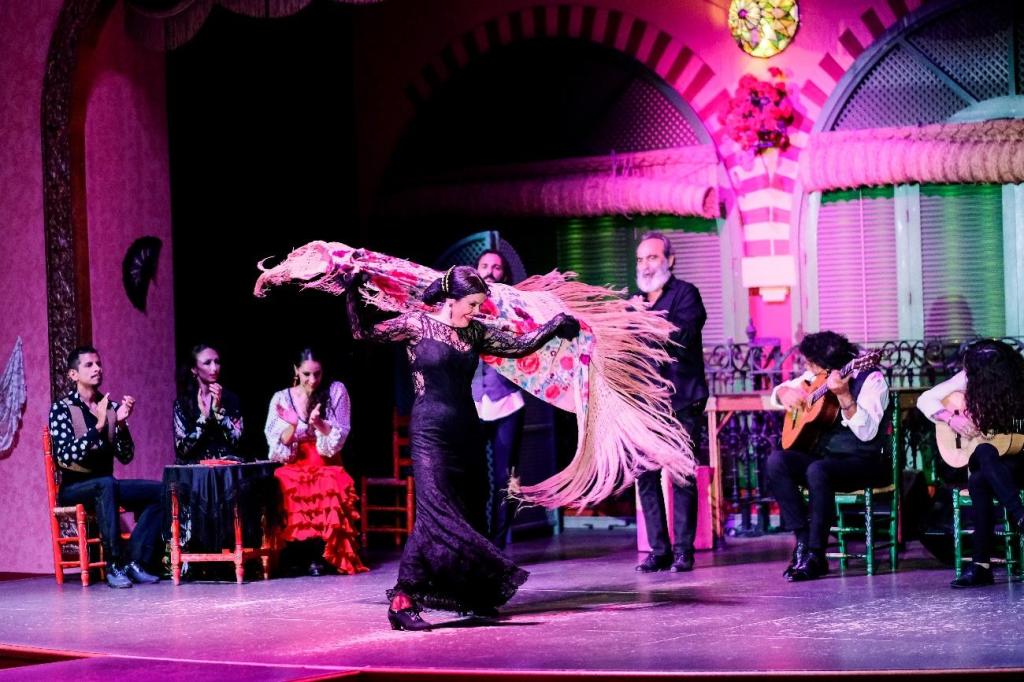
Every November 16, flamenco has a very special occasion. It is the day we celebrate an art form that is part of Andalusia’s history, culture, and identity, but one that has managed to cross borders to captivate stages and audiences around the world.
International Flamenco Day is much more than just a date on the calendar. It is an opportunity to recognize the talent of its artists, to reflect on the richness of a tradition that has been passed down from generation to generation, and to highlight a cultural expression that continues to grow without losing its roots.
The choice of November 16 has historical significance. On that very day in 2010, UNESCO inscribed flamenco on the Representative List of the Intangible Cultural Heritage of Humanity. This international recognition confirmed the value of this art form and the importance of protecting it, promoting it, and keeping it alive.
And if there is one city where flamenco is felt in a special way, it is Seville. Here, among its neighborhoods, streets, and cultural venues, flamenco is part of a tradition that remains very much alive. At El Palacio Andaluz, we celebrate that passion every day, making our stage a meeting place for artists and visitors who come from all corners of the world to discover this art form.
Flamenco: Much More Than Singing, Dancing, and Guitar
When we think of flamenco, images of the guitar, footwork, clapping, or the movement of a shawl often come to mind. However, its richness goes far beyond what we see and hear on stage.
Flamenco is an artistic language that brings together three major disciplines: singing, dancing, and guitar playing. Each has its own personality, but it is in the dialogue between them that the distinctive power emerges—the very force that captivates the audience.
The voice conveys the emotion of each lyric; the guitar accompanies, responds, and sets the pace; and the dance transforms the music into movement, with a combination of strength, elegance, technique, and expressiveness. Added to all this are the clapping, the rhythm, and the rapport among the performers.
There is also something that makes flamenco especially unique: its ability to convey emotions without the need for words. The joy of a “bulerías,” the intensity of a “soleá,” or the sentiment of a “seguiriya” bring us closer to different ways of understanding life and expressing what lies within us.
That’s why you don’t need to know the different styles or be a die-hard fan to enjoy a flamenco show. Often, all you need to do is let yourself be carried away by the sound, the rhythm, and the emotion of the moment.
Seville and Flamenco: A Living History
To speak of flamenco is to speak of Andalusia, and to speak of its great flamenco traditions is to focus on Seville. Over the centuries, the city has been one of the main centers for the development and spread of this art form.
Its old singing cafés, its courtyards, its gatherings, and its tablaos have all contributed to building a flamenco culture that has evolved over time. Neighborhoods like Triana and the city’s historic sites are part of that legacy, alongside generations of artists who have left their mark on singing, dancing, and guitar playing.
But Sevillian flamenco does not belong solely to the past. It remains present on stages, in schools, at festivals, and in the tablaos that keep this tradition alive and bring its richness to new generations.
For visitors to Seville, discovering flamenco is also a way to get to know the city better. It means connecting with a fundamental part of its cultural identity and understanding why this art form inspires such admiration both within and beyond our borders.
The flamenco tablao is where the art comes to life up close
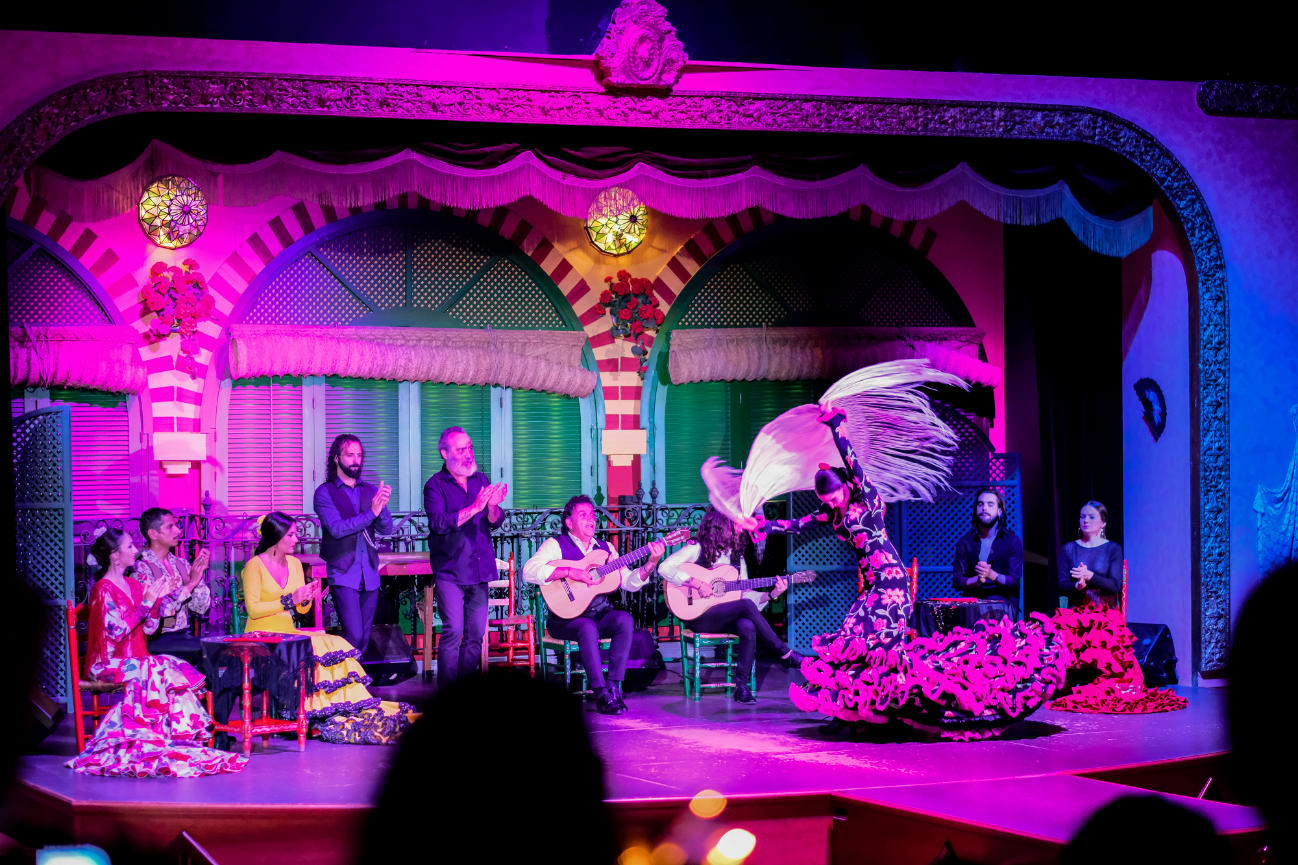
If there’s one place where flamenco reveals its full power, it’s the tablao. Unlike other performance formats, the tablao offers an intimate experience, where the audience can take in every detail: the sound of heels on the wood, the movement of the hands, the artists’ gestures, and the intensity of each performance.
Moreover, flamenco has an element of unpredictability. Although the artists have mastered the technique and know the conventions of each style, every performance has its own unique character. The connection between singing, guitar playing, and dancing—the glances and the musical responses—makes every show different.
At El Palacio Andaluz, one of Seville’s oldest flamenco tablaos, we experience that connection every day. Our stage brings together male and female dancers, singers, and guitarists who share their talent and passion with an international audience.
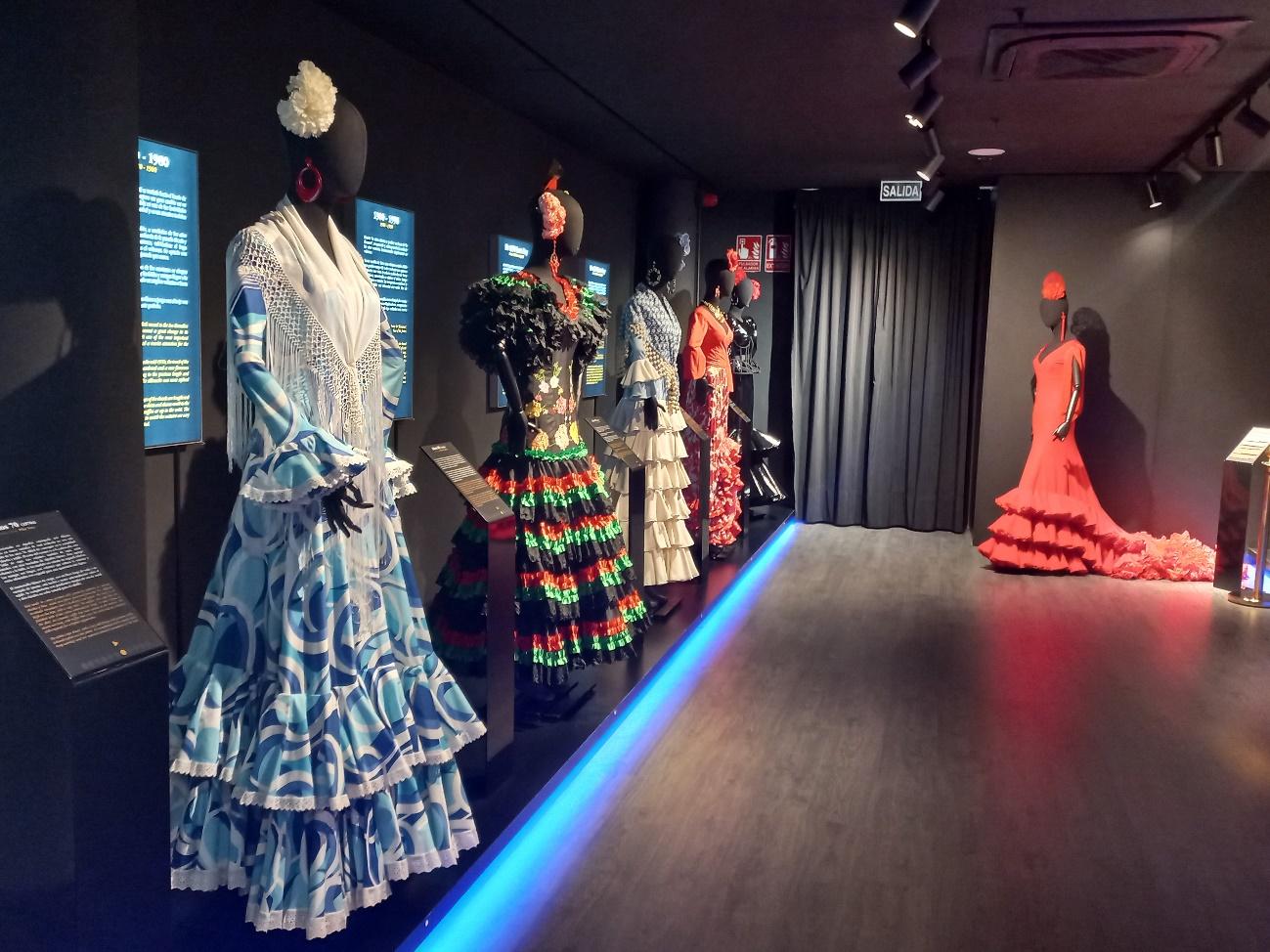
The venue, located on Isla de la Cartuja, offers the opportunity to enjoy flamenco in a setting dedicated to this art form. In addition, our visitors can round out the experience with a visit to the Museo del Traje de Flamenca, a journey through the history and evolution of one of the most iconic garments of Andalusian culture.
Because experiencing flamenco also means discovering everything behind it: its artists, its costumes, its instruments, and the traditions that have helped make it a unique cultural heritage.
A heritage that evolves without losing its roots
One of the reasons flamenco continues to spark interest around the world is its ability to evolve. It is an art form with deep roots, yet one that has never ceased to engage with other disciplines and find new forms of expression.
Throughout its history, it has incorporated influences, experimented with new sounds, and reached very different stages, from the most traditional tablaos to large theaters and international festivals.
This evolution demonstrates that preserving flamenco does not mean freezing it in time. On the contrary, it means nurturing its essence, recognizing the work of those who pass it on, and allowing new generations of artists to contribute their own perspectives.
UNESCO’s recognition in 2010 specifically highlighted this cultural value and the need to safeguard a living heritage that belongs to the communities and individuals who maintain and pass it on.
Celebrate International Flamenco Day in Seville
On November 16, International Flamenco Day invites us to pause and enjoy an art form that is part of our history but continues to move us just as much as it did on the very first day.
And there’s no better way to experience it than by seeing it live. Whether this is your first encounter with flamenco or you’re already familiar with its different styles, attending a show at a tablao allows you to discover nuances that are hard to perceive any other way.
At El Palacio Andaluz, we invite you to share that experience all year round. Every performance is an opportunity to appreciate the talent of our artists and feel the power of an art form that knows no languages or borders.
Because flamenco can be studied, understood, and explained, but there’s something that can only truly be discovered when the music begins and the first foot-stomping fills the stage.
This November 16, celebrate International Flamenco Day at El Palacio Andaluz and let yourself be swept away by an art form that touches the soul. Book the option that best suits your preferences—Solo Flamenco, Flamenco with Cava and Chocolate Truffles, or Flamenco with Dinner—and experience a unique evening at our flamenco tablao in Seville. We look forward to seeing you!